A 1971 plant, slowly retrofitting for the next 50 years.
We don't pretend to be a green-tech showcase. We are a 55-year-old precision manufacturing plant making honest, incremental improvements to our environmental footprint — and publishing what we're doing, instead of waiting for a polished sustainability report.
On-site composting
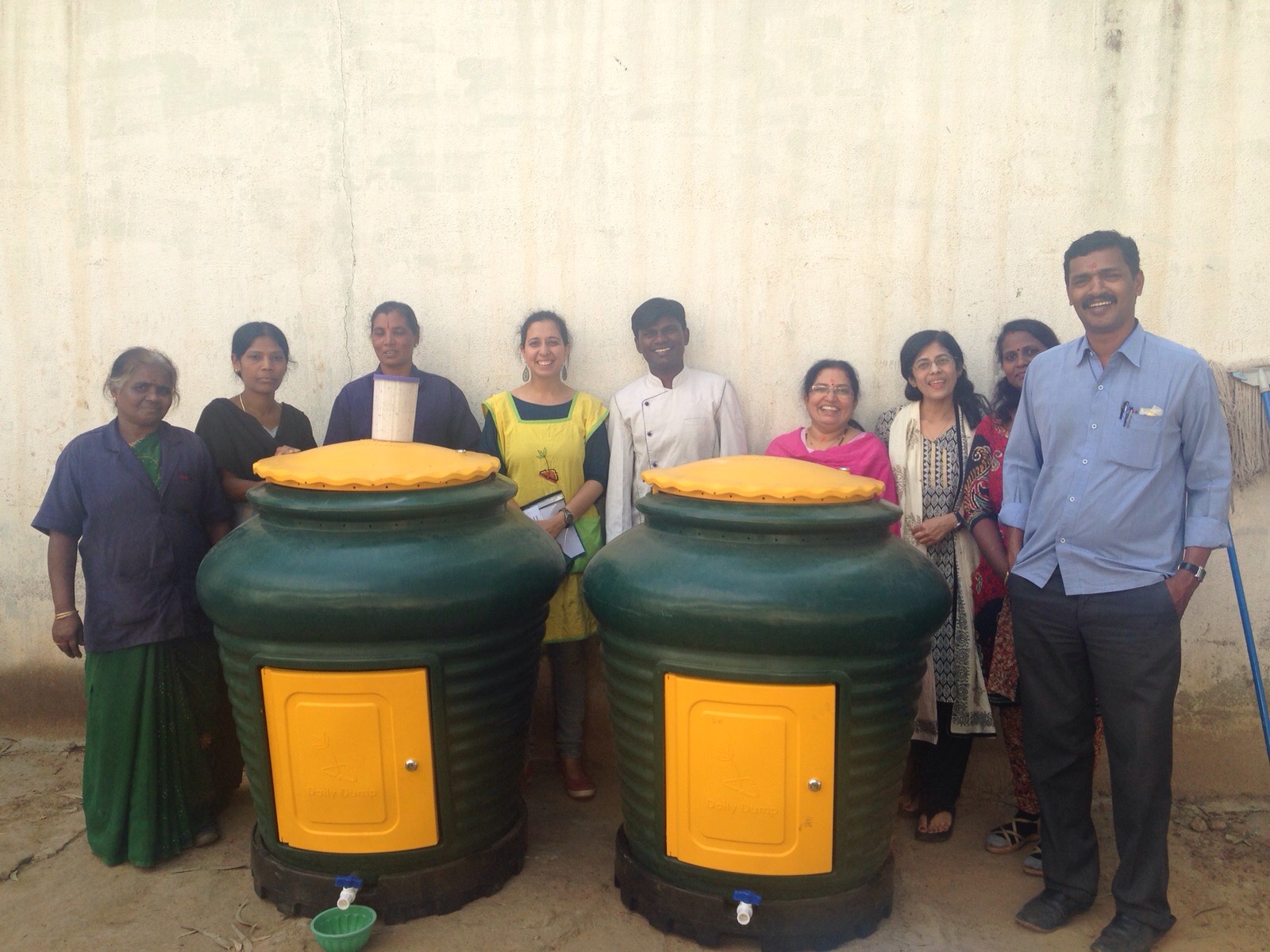
All food waste from the CVM canteen — every meal served to all 130 employees, every day — is composted on-site. The compost is used to maintain the gardens and green areas around the plant, closing a small but real loop within our own four walls. Zero food waste leaves the premises.
Reusable shop-floor waste cloth
Most precision-machining shops use single-use cotton waste — bought by the kilo, used once for wiping oil and swarf, then thrown out. CVM uses large 20" x 20" cotton cloths instead, soaked in caustic-soda water and washed every day (100–120 cloths per day, two loads of 45 minutes). Each cloth is reused for years. We benchmarked the program against a single-use peer of comparable size:
Smaller, day-to-day commitments.
None of these alone make a sustainability headline; together they add up to a plant that consumes less water, less electricity, and sends less waste to landfill than its peers.
A 100 kW rooftop solar installation is scoped and on the 2026 plan. Beyond that: a shop-floor energy audit, a formal swarf / cutting-fluid recycling stream, and a structured energy / water / waste disclosure aligned with what Tier-1 customers ask for in supplier audits. We'll publish each as it comes online.